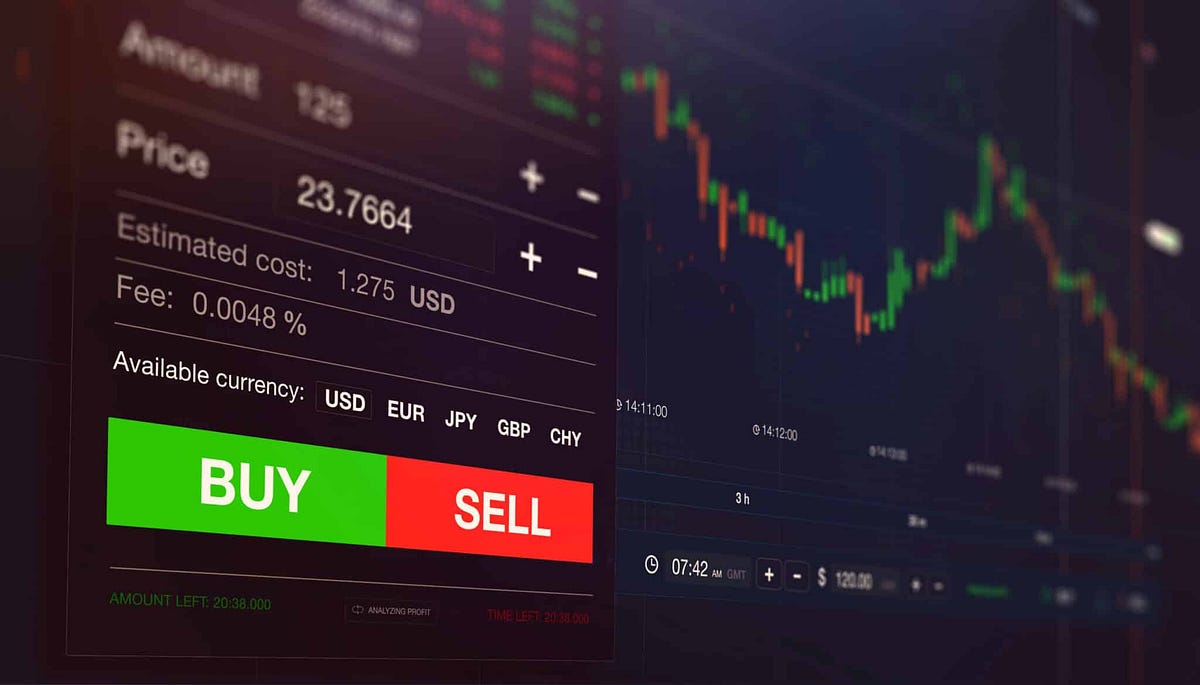
If you have been asking yourself how to start forex trading in Kenya, you are not alone. More Kenyans are paying attention to the markets, but many beginners still get stuck at the same point: where do you begin, how much money do you really need, which platform should you use, and how do you avoid rushing into mistakes?
That is what this guide is for.
This is a practical, beginner-friendly walk-through on how to start forex trading in Kenya with HFM. We are going to cover the basics, the setup process, what to watch out for, how to choose the right account, how to practice before risking real money, and how to build a much safer starting point if you are completely new.
One thing I want to make clear from the start: forex trading is not easy money. It can be useful, flexible, and genuinely interesting, but it also carries real risk. So the goal here is not to hype it up. The goal is to help you start in a more sensible way.

Ready to see HFM Kenya’s live account and platform options?
If you already want to check the broker directly, this is the fastest way to view HFM Kenya’s current sign-up route, platforms, and trading options.
Visit HFM KenyaWhat this guide covers
- What forex trading is in simple terms
- Whether forex trading is legal in Kenya
- Why many beginners look at HFM Kenya
- How to open, practice, fund, and use an account
- How to place your first trades more carefully
- The mistakes that usually hurt new traders
- FAQs and useful resources
What forex trading actually means
Forex trading is the buying and selling of currencies. In simple terms, you are trying to profit from changes in exchange rates. A trader might buy EUR/USD because they think the euro will strengthen against the US dollar, or sell GBP/USD because they think the pound may weaken.
That sounds simple on paper, but live trading involves price movement, timing, risk management, and discipline. Once leverage enters the picture, even small price moves can have a bigger effect on your account. That is why beginners need to learn slowly instead of jumping straight into large positions.
The good news is that modern brokers make access easier than before. You can now practice with a demo, learn on MT4 or MT5, and manage your account online without needing a complicated setup. That makes the learning path much smoother, especially if you approach it with patience.
Is forex trading legal in Kenya?
Yes, online forex trading is a regulated activity in Kenya, and this is one of the first things most sensible beginners want to confirm.
On its Kenya site, HFM states that HFM Investments Ltd is authorized by the Capital Markets Authority in the Republic of Kenya as a non-dealing online foreign exchange broker under licence number 155. That matters because many new traders want to start with a broker that clearly states its regulatory position instead of leaving people to guess.
Regulation does not remove trading risk, but it does matter when you are choosing who to trust with your money and personal documents. It is one of the first boxes you should tick before you even think about opening an account.
Why some beginners in Kenya start with HFM
There are many brokers online, so why do some Kenyan beginners look at HFM?
One reason is that the Kenya site is clearly localized. HFM presents itself as available to residents in Kenya, lists its Kenyan CMA authorization, and provides a full account, funding, platform, and education flow on one site. It also lists more than 500 trading instruments across forex and other CFD markets, which gives traders room to grow later if they want to move beyond major currency pairs.
Another reason is accessibility. HFM offers MT4, MT5, and its own HFM platform comparison pages, a client portal called myHF for opening accounts and handling funding, and a demo account option for practice before going live.
And for beginners, practice matters. HFM’s demo account page says the demo can be used without time pressure, reflects real market conditions, and can start with up to $100,000 in virtual funds. That is useful because it gives new traders a way to learn platform basics without risking real money on day one.
What you need before you start forex trading in Kenya
Before you open any account, it helps to get your expectations straight.
You need a learning mindset
If you come in expecting instant income, forex can punish you very quickly. But if you come in ready to learn, practice, and improve over time, you give yourself a much better chance.
You need to start with money you can afford to lose
This is one of the hardest truths for beginners, but it is important. Do not fund your first account with money meant for rent, school fees, food, or emergency savings. Trading capital should be risk capital.
You need a platform you can actually understand
MT4 and MT5 are popular because they are widely used, chart-focused, and flexible. HFM also offers its own platform options, but many beginners still start with MetaTrader because there is so much educational content around it.
You need a plan, not just excitement
A plan does not have to be fancy. It can be as simple as:
- practice on demo first
- start with one or two major pairs
- risk small amounts
- use stop losses
- review your trades weekly
Step by step: how to start forex trading in Kenya with HFM
Now let’s get practical.
Step 1: Learn the basics before funding anything
This is where many people rush. They see trading content online, get excited, and go straight to depositing money. That usually ends badly.
HFM’s Kenya site has a full learning section with educational videos, webinars, e-courses, and how-to content. That is a useful starting point if you want to understand market basics, trading platforms, and the language used in forex before you place a live order.
Even just learning the difference between a market order, lot size, spread, leverage, margin, stop loss, and take profit can save you from very avoidable mistakes.
Step 2: Open a demo account first
This is probably the smartest starting move.
HFM’s demo account is positioned as a practice environment that mirrors real market conditions closely, and the broker says it comes with unlimited usage and up to $100,000 in virtual opening balance. That makes it useful for learning order placement, chart use, position sizing, and platform navigation without risking cash.
On demo, your job is not to show off. Your job is to learn very basic things properly:
- how to open and close trades
- how to set stop loss and take profit
- how lot sizes affect profit and loss
- how to read candlestick charts
- how different pairs move
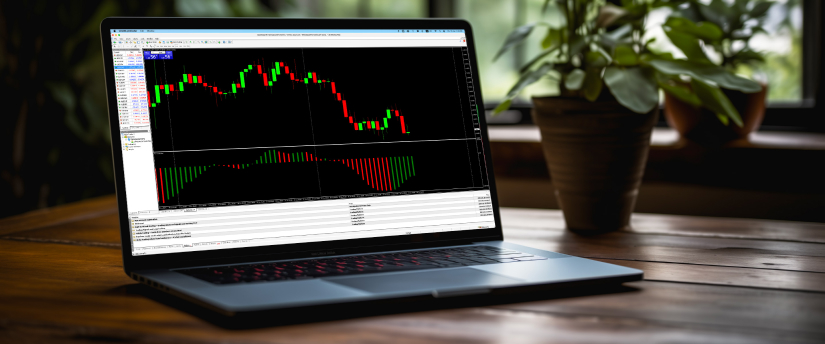 Starting on demo first can help you get comfortable with charting, order entry, and risk settings before live money is involved.
Step 3: Create your client area and verify your account
HFM’s myHF area is the client portal where users can upload documents, open accounts, deposit, withdraw, and transfer funds. This matters because forex trading today is not just about the platform. It is also about smooth account management.
As a beginner, expect the normal account-opening flow to involve registration and identity verification. This is standard and should not surprise you if you are using a regulated broker.
Step 4: Choose the account type that fits your level
One thing new traders often get wrong is opening an account without understanding what the account type means.
HFM’s Kenya site offers several account types including Premium, Zero, Cent, Pro and others in its comparison flow. For a beginner, the most important thing is not choosing whatever sounds impressive. It is choosing something you can manage comfortably.
| Account style | Who it generally suits | What to think about as a beginner |
|---|---|---|
| Demo account | Complete beginners | Best place to learn platform basics without real-money risk |
| Cent-style approach | Traders who want smaller scale exposure | Useful if you want a gentler transition from demo to live |
| Premium account | General retail traders | Can work well once you understand the basics |
| Zero or tighter-spread accounts | More active traders | Better to understand spreads and commissions before choosing these |
HFM’s advantages page also says the Premium account can start from $0, which lowers the barrier to entry, but that does not mean you should rush to trade live without preparation.
Step 5: Choose a platform you can use with confidence
HFM offers MT4, MT5, and its own platform options. For many beginners in Kenya, MT4 and MT5 are still the easiest places to start because there is so much guidance available online and because the interface is familiar to many traders.
MT4 is often seen as simpler and very beginner-friendly. MT5 is more modern and comes with added functionality and broader market support. Neither one makes you profitable on its own. The point is to choose the platform you are most likely to understand and stick with while learning.
 For most beginners, the real edge is not the fanciest platform. It is understanding one platform well enough to make fewer mistakes.
Step 6: Fund your account carefully
Once you are ready for live trading, funding is the next step. HFM’s Kenya deposit page says the broker does not apply deposit fees and lists multiple funding routes. The minimum depends on the method used. On the official page, some methods show a minimum around $50, while bank transfer shows a higher minimum.
That is useful because it means beginners do not always need to start with a large amount, depending on the funding method they choose. Still, smaller is often better at the beginning. The goal is not to show confidence by depositing big. The goal is to protect your learning phase.
Step 7: Start with one market, not everything
HFM lists a wide range of instruments, but that does not mean you should try to trade all of them in your first month.
A better beginner path is usually to focus on one or two major forex pairs first. Learn how they move. Learn when they are active. Learn how spreads behave. Learn how news affects them. You can expand later.
Step 8: Use tiny risk on your first live trades
The first goal of live trading is not making a lot of money. It is surviving your learning period.
That means small position sizes, clear stop losses, and low emotional pressure. If your trade size is so big that every small move makes you panic, you are not learning well. You are just stressed.
How much money do you need to start?
This is one of the most searched beginner questions in Kenya, and the honest answer is: less than many people think, but more caution than many people use.
HFM’s site shows that some funding methods can start around $50, and the broker also offers demo trading with virtual funds. That means you can begin learning without large capital. But whether that is enough for meaningful live trading is another question.
For most beginners, the smarter way to think about starting capital is not “what is the minimum?” but “what amount lets me learn without emotional pressure?” A very small live account can still be useful if the goal is experience, discipline, and platform familiarity rather than immediate income.
How to place your first trade more intelligently
When you finally move from demo to live, keep it boring.
That may sound strange, but boring is good at the beginning. Choose one pair. Wait for a setup you understand. Decide where your stop loss goes before you enter. Set a take profit if that helps your plan. Then keep your risk low.
Your first trades should teach you things like:
- how spreads affect entries
- how emotions change once real money is involved
- how to stay patient instead of forcing trades
- how to review what worked and what did not
A lot of new traders think trading skill means being active. Very often, it means being selective.
Risk management matters more than strategy at first
This may be the most important section in the entire guide.
At the beginning, you do not need ten advanced strategies. You need better risk habits. Many traders blow accounts not because they never learned a chart pattern, but because they traded too big, moved stop losses, revenge traded, or treated leverage like a shortcut.
Use stop losses
A stop loss helps define risk before the trade moves against you. It does not guarantee a perfect exit in every market condition, but it is still one of the most important tools for protecting a beginner account.
Do not overtrade
More trades do not automatically mean more opportunity. Many beginners lose money simply because they cannot sit still and wait.
Keep a trade journal
Write down why you entered, where your stop was, what happened, and how you felt. That sounds simple, but it helps you spot mistakes much faster.
Respect leverage
HFM’s Kenya materials mention flexible leverage up to 1:400 on some offerings. That can increase flexibility, but it also increases risk if misused. Just because leverage is available does not mean you should use it aggressively.
Common beginner mistakes in Kenya
Starting live before you understand the platform
This is why demo exists. Use it.
Copying trades from social media without context
Many online screenshots hide the full story. Do not build your trading life around random Telegram or TikTok entries.
Depositing too much too early
A larger account does not fix beginner mistakes. It just makes those mistakes more expensive.
Jumping between too many markets
Stay focused. Learn one corner of the market properly first.
Ignoring education
HFM has videos, webinars, and learning materials on the Kenya site. Use resources like that instead of assuming you can improvise your way into consistency.
Can forex trading become a real skill for Kenyans?
Yes, but only if you treat it like a real skill.
That means time, practice, emotional discipline, and accepting that progress may be slow. It also means avoiding the fantasy that one or two good trades equal mastery. They do not.
If you start with the right expectations, use demo well, keep risk low, and treat learning seriously, forex trading can become something you understand properly over time. But the people who last are usually the ones who learn to protect themselves early.
Why this beginner path makes more sense
The reason I like this approach is simple. It gives you a structured start:
- confirm regulation
- learn the basics
- practice on demo
- understand the platform
- fund carefully
- trade small
- review and improve
That is much better than signing up in a rush, clicking buy or sell randomly, and hoping for the best.
My final take
If you want to start forex trading in Kenya with HFM, the best way is not to move fast. It is to move properly.
HFM offers a solid beginner pathway on its Kenya site: local regulatory disclosure, demo access, MT4 and MT5 support, multiple account types, educational materials, and a client area for managing the whole process. That does not guarantee success, but it does give new traders a reasonable structure to begin with.
The part that matters most is still you. Your patience. Your risk control. Your willingness to learn on demo first. Your ability to keep the early phase small and disciplined.
So yes, you can start forex trading in Kenya with HFM. Just make sure you start in a way that gives you a chance to still be here learning six months from now.
Frequently asked questions
Is HFM regulated in Kenya?
HFM states on its Kenya site that HFM Investments Ltd is authorized by the Capital Markets Authority in Kenya as a non-dealing online foreign exchange broker under licence no. 155.
Can I start with a demo account first?
Yes. HFM’s demo account page says the demo account has unlimited usage, real market conditions, and can start with up to $100,000 in virtual funds.
Which platform should a beginner use, MT4 or MT5?
Many beginners start with MT4 because it feels simpler, while MT5 offers more modern functionality. The better choice is the one you can learn and use confidently.
How much money do I need to start forex trading in Kenya with HFM?
It depends on the funding method and the way you want to begin. HFM’s deposit page shows some methods starting around $50, while bank transfer has a higher minimum. But for beginners, risk control matters more than the absolute minimum.
Can I make money quickly with forex trading?
It is possible to make money in trading, but quick-money expectations are one of the fastest ways to lose. A much healthier goal is learning to trade properly first.
What is the safest way to begin?
Start with regulation, use the demo account, learn platform basics, fund carefully, trade small, and focus on risk management before anything else.
Resources
- HFM Kenya regulations and licences
- HFM Kenya demo account
- myHF client area
- HFM platform comparison
- HFM deposit options
- HFM learn-to-trade hub
- HFM webinars
- Why trade with HFM Kenya