
Starting with a demo account is one of the smartest things a new trader in Kenya can do. It gives you room to make mistakes, learn the platform, and understand how trades behave before real money is involved.
That is why this guide matters. If you are looking into HFM Kenya and wondering whether the demo account is worth your time, the short answer is yes. But the bigger question is how to use it properly.
A lot of beginners open a demo account, place a few random trades, and then rush to live trading before they have actually learned anything useful. That approach misses the whole point. A demo account is not just there to entertain you. It is there to help you practice in a more structured way.
In this guide, we will walk through how the HFM Kenya demo account works, who it suits, how to open one, what to practice, what mistakes to avoid, and how to know when you are genuinely ready to go live.

Want to open an HFM Kenya demo account and start practicing?
You can view HFM Kenya’s current demo and live account flow, trading platforms, and sign-up path here.
Open HFM KenyaWhat this guide covers
- What an HFM Kenya demo account is
- Why demo trading matters before going live
- How to open and use the demo account
- What to practice on MT4 and MT5
- How to avoid wasting your demo phase
- Signs you may be ready for live trading
- FAQs and useful resources
What an HFM Kenya demo account actually is
An HFM Kenya demo account is a practice account that lets you trade in market-like conditions without risking real money. On its official Kenya page, HFM says the demo account is designed to simulate a real trading environment as closely as possible, with unlimited usage, real market conditions, strategy testing, and up to $100,000 virtual opening balance. It also says the demo gives access to MT4 and MT5 Terminal and Webtrader. :contentReference[oaicite:1]{index=1}
That makes it useful for complete beginners, but also for people who have traded before and want to test a new idea, platform, or routine without live risk.
The real value of a demo account is not pretending you are making money. It is learning how the trading process actually works from end to end.
Why practicing before going live matters so much
New traders often underestimate how different trading feels once a platform is in front of them. On YouTube or Instagram, trading can look clean and simple. In real life, even basic steps can feel confusing at first.
Which button opens a market order? Where do you set stop loss and take profit? How do you change lot size? What happens when the spread widens slightly? How do you read what your floating profit and loss actually means?
These are not advanced questions. They are basic questions. And that is exactly why demo practice matters. You do not want to figure these things out while real money is already on the line.
HFM’s own demo page positions the account as a way to gain the trading experience you need before entering the live market with more confidence. That is the right mindset. :contentReference[oaicite:2]{index=2}
Is HFM Kenya a sensible place to practice?
For Kenyan readers, one useful point is that HFM’s Kenya site is localized and states that HFM Investments Ltd is authorized by the Capital Markets Authority in Kenya as a non-dealing online foreign exchange broker under licence number 155. :contentReference[oaicite:3]{index=3}
That does not make trading risk-free, but it does help answer a very common beginner question: am I starting with a broker that publicly states its Kenya regulatory status?
HFM also connects its demo flow to the broader trading environment on the site, including myHF for account management, MT4 and MT5 access, and education through videos, webinars, courses, and how-to content. :contentReference[oaicite:4]{index=4}
How to open an HFM Kenya demo account
The process is fairly straightforward.
HFM says new clients first register a myHF account and then use that client area to open a new demo account. Existing clients can log in to the same area and create another demo from there. The myHF portal is where HFM says users can upload documents, open accounts, deposit, withdraw, and transfer funds. :contentReference[oaicite:5]{index=5}
In practical terms, the flow looks like this:
- Create your myHF account
- Log into the client area
- Open a demo account
- Choose your platform
- Set the virtual balance
- Download or log into the platform and start practicing
That is simple enough, but do not rush the setup. This is your training account. Treat it seriously from the beginning.
Which platform should you use for demo trading: MT4 or MT5?
HFM’s Kenya site highlights MT4, MT5, and platform comparison options, and its demo page specifically says demo users can access MT4 and MT5 Terminal and Webtrader. :contentReference[oaicite:6]{index=6}
For many beginners, the platform question feels bigger than it really is. The truth is this:
- MT4 often feels simpler and more familiar to many retail forex traders
- MT5 feels more modern and broader in functionality
The best choice at the beginning is usually the one you are most likely to understand and stick with long enough to build confidence. Plenty of traders start with MT4 because it is widely taught and easy to find tutorials for. Others go straight to MT5 because they want the newer environment.
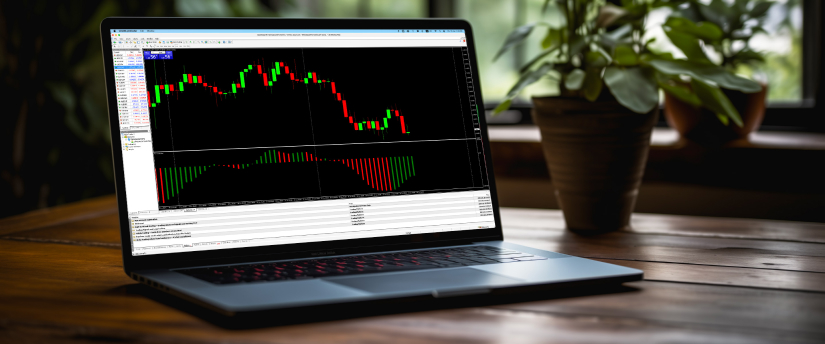 Demo practice is where you learn the platform properly: charts, orders, stop loss placement, and how trade size changes your risk.
What you should actually practice on demo
This is the part that many beginners get wrong.
If your demo phase is just random buying and selling, you are not training. You are just clicking around. The point is to practice the things that will matter later when real money is involved.
Practice opening and closing trades correctly
Learn how to place a market order. Learn how to place pending orders later if you want. Learn how to close trades without panic. These small things matter more than they seem.
Practice setting stop loss and take profit
Risk control starts here. If you cannot place a stop loss correctly on demo, live trading will feel messy and emotional.
Practice understanding lot size
Many new traders lose money not because their direction was completely wrong, but because their position size was too large for the account. Demo lets you see how different lot sizes change potential profit and loss.
Practice reading charts without rushing
Whether you end up using simple support and resistance, trend structure, moving averages, or price action, you need screen time. Demo gives you that screen time without the pressure of losing real money.
Practice patience
This one surprises people. Demo is not only for technical practice. It is also for behavior. Can you wait for cleaner setups, or do you click constantly out of boredom? That habit will follow you into live trading if you do not catch it early.
How long should you stay on demo?
There is no magic number, and that is actually a good thing.
HFM says its demo account has unlimited usage, which takes away the pressure to rush. :contentReference[oaicite:7]{index=7}
That matters because some beginners need a few weeks just to understand the platform, while others need months before they develop any real consistency. The better question is not “how fast can I go live?” but “what have I actually learned?”
You should not leave demo just because you are tired of practicing. You should leave demo because you have built enough control to make the first live phase smaller, calmer, and more disciplined.
Signs you are using the demo account well
A productive demo phase usually has a few clear signs.
- You understand the platform and no longer feel lost
- You know how to place trades with stop loss and take profit
- You are no longer changing lot sizes randomly
- You are starting to follow one basic idea instead of ten conflicting strategies
- You can review your trades and explain why you entered them
- You are becoming more patient instead of more reckless
Notice what is not on that list. Huge demo profits.
A demo account can make someone feel like a genius for a week. That is not the goal. The goal is repeatable behavior and better decision-making.
Common mistakes beginners make with demo accounts
Using unrealistic trade sizes
This is very common. Someone opens a demo with a big virtual balance, uses giant lot sizes, gets lucky on a few moves, and starts believing they are ready. Then they go live and discover that real trading feels very different.
A better approach is to use the demo in a way that resembles how you might actually trade later.
Treating demo like a game
The less seriously you take your demo, the less useful it becomes. You do not need to be tense, but you do need to be deliberate.
Switching strategies every few days
Beginners often bounce from one method to another because every new YouTube video sounds convincing. Demo should help you simplify, not scatter yourself.
Going live too soon
Some traders move to live trading just because demo feels boring. That usually means they are chasing emotion, not building skill.
Ignoring education resources
HFM’s Kenya site offers webinars, e-courses, educational videos, events, and how-to content. That means the demo phase does not have to be guesswork if you are willing to learn properly. :contentReference[oaicite:8]{index=8}
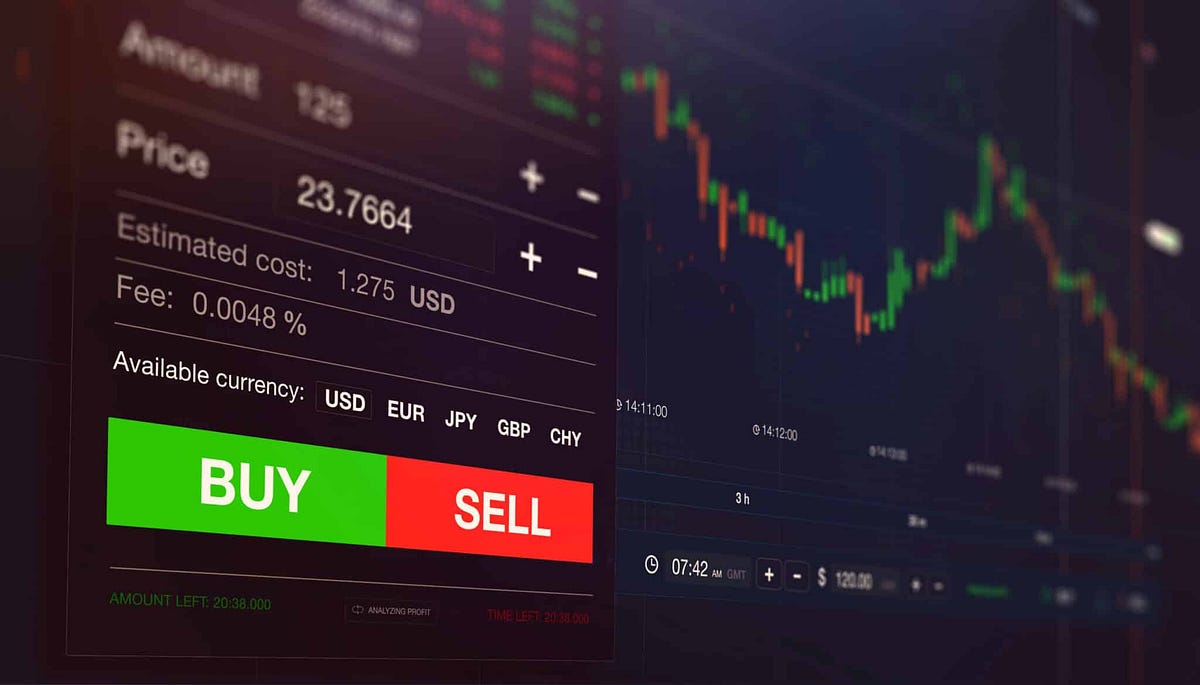 The best demo traders are not the ones who take the most trades. They are usually the ones who use the practice period to become calmer and clearer.
How to make your HFM demo practice feel more real
One of the best ways to get real value from demo is to reduce the gap between practice and live conditions.
Use a sensible virtual balance
Just because HFM offers up to $100,000 in virtual opening balance does not mean you need to practice with that amount. :contentReference[oaicite:9]{index=9}
If you expect to go live later with a smaller account, it often makes more sense to use a smaller demo balance too. That keeps your decision-making closer to reality.
Trade at the times you may actually trade later
If you will mostly trade in the evenings from Kenya, practice in the evenings. If you are interested in certain sessions, spend time learning how those hours feel.
Keep a journal
This is one of the simplest upgrades you can make. Write down:
- why you entered
- where your stop was
- what happened
- what you learned
Over time, that becomes more useful than relying on memory.
Use one or two markets at first
HFM lists many instruments on its Kenya site, but beginners do not need to practice everything at once. HFM says it offers more than 500 trading instruments overall, but that breadth is more useful later than it is on day one. :contentReference[oaicite:10]{index=10}
The cleaner path is usually to focus on a small number of pairs while learning.
When should you move from demo to live?
This is where honesty matters.
You do not need to be perfect before going live. But you do need some level of control. A sensible move from demo to live usually happens when:
- you understand the platform well enough not to make basic operational mistakes
- you use stop losses consistently
- you are not overtrading constantly
- you can explain your trades clearly
- you have practiced enough to know what kind of trader you are trying to become
Even then, your first live phase should still be small. The point is not to “prove yourself.” The point is to adjust to the emotional difference between virtual trading and real-money trading.
What happens after demo: the live account reality
This is the part many people underestimate. A live account changes the emotional environment immediately.
Trades you could sit through calmly on demo may suddenly feel stressful. Small losses can feel bigger than expected. Profits can tempt you to break your own rules. That is why the first live stage should be treated as another learning phase, not as a final destination.
HFM’s Kenya site also ties the demo flow into the broader myHF account area, where users can manage account actions such as deposits and withdrawals once they move further into live trading. :contentReference[oaicite:11]{index=11}
In other words, demo is practice, but good practice should feed into a calm live setup later.
Why this path makes more sense for Kenyan beginners
For someone starting out in Kenya, this route is much safer than the common alternative.
The common alternative is usually this: see exciting trading content online, fund an account quickly, use too much leverage, lose money, and then either blame the broker or give up completely.
A smarter route is:
- confirm the broker’s Kenya regulatory disclosure
- open a demo account
- learn MT4 or MT5 properly
- use HFM’s education material where needed
- practice with realistic trade sizes
- move to live only when you are calmer and more consistent
It may not feel dramatic, but it gives you a much better foundation.
My final take
If you are considering HFM Kenya and you are not yet ready for live trading, the demo account is absolutely worth using.
HFM’s Kenya demo offering gives you the basics you would want from a beginner practice environment: unlimited usage, real market conditions, strategy testing, support for MT4 and MT5 access, and a simple path through the myHF client area. :contentReference[oaicite:12]{index=12}
But the real difference will still come from how you use it.
If you use demo seriously, it can help you build platform confidence, cleaner habits, and a more realistic understanding of trading before money is involved. If you treat it like a game, you will probably carry that same loose behavior into live trading.
So yes, use the demo. Just use it in a way that genuinely prepares you for the next step.
Frequently asked questions
Is the HFM Kenya demo account free?
HFM’s Kenya demo page presents it as a practice account with virtual funds and unlimited usage, so it is designed for risk-free practice rather than paid access. :contentReference[oaicite:13]{index=13}
How much virtual money can I get on the HFM demo?
HFM says the demo account can be opened with up to $100,000 in virtual opening balance. :contentReference[oaicite:14]{index=14}
Can I use MT4 and MT5 on the HFM Kenya demo account?
Yes. HFM’s official demo page says users can trade with the MT4 and MT5 Terminal and Webtrader. :contentReference[oaicite:15]{index=15}
How long can I keep using the demo account?
HFM says the demo account has unlimited usage, which means beginners do not need to rush out of the practice phase. :contentReference[oaicite:16]{index=16}
Do I need a myHF account first?
Yes. HFM says new clients first register a myHF account, then use that area to open a demo account. Existing clients can log in and create one from there. :contentReference[oaicite:17]{index=17}
Is HFM regulated in Kenya?
HFM states that HFM Investments Ltd is authorized by the Capital Markets Authority in Kenya as a non-dealing online foreign exchange broker with licence no. 155. :contentReference[oaicite:18]{index=18}
Resources
- HFM Kenya demo account
- HFM Kenya regulations and licences
- myHF client area
- HFM Kenya homepage
- HFM learn-to-trade hub
- HFM webinars
- HFM educational videos
- HFM forex education e-course