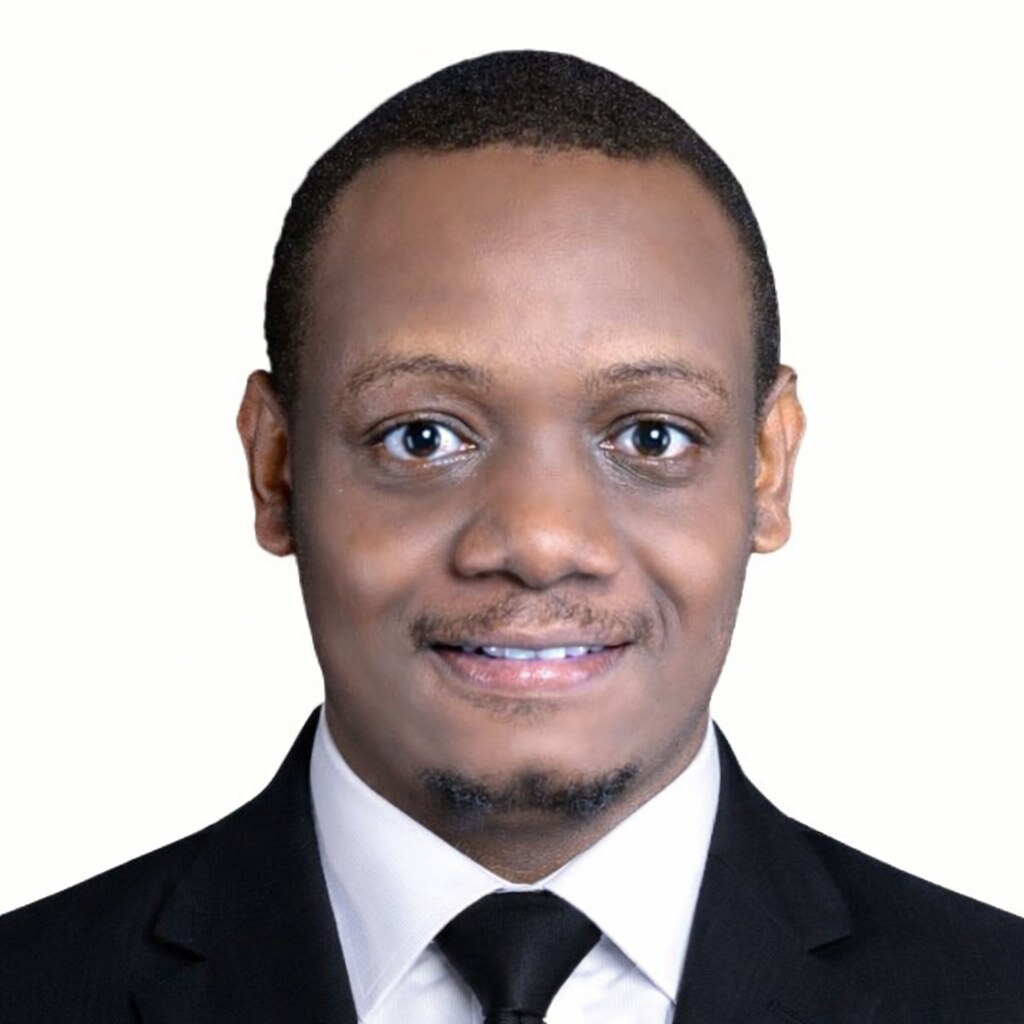

Rudolf’s FTMO trading story stands out because it brings together three themes that matter to almost every funded trader: market focus, emotional discipline, and the ability to make good decisions under pressure. Instead of chasing every setup across forex pairs, indices, and commodities, his story is tied closely to gold trading and a more specialised trading approach.
That makes this interview more than another prop firm success story. It is a useful case study in how a trader can build consistency in a volatile market like XAUUSD, while relying on mindset, patience, and risk management rather than hype. For readers interested in FTMO trader interviews, prop trading psychology, and gold trading lessons, Rudolf’s journey offers several practical takeaways.
Choose the FTMO route that fits your region and start with a trading plan built around risk control, consistency, and clean execution.
In this article
Why Rudolf’s story matters for prop traders
A lot of trader interviews get shared because of the payout figure. That number gets attention, but it is rarely the part that helps readers improve. What makes Rudolf’s FTMO interview more useful is the path behind the result. His story touches on funded trading, trading psychology, risk management, market specialisation, and the importance of having a repeatable process when trading a fast-moving instrument like gold.
For anyone researching how successful FTMO traders think, this is the real value of the interview. Rudolf’s journey shows that profitable prop trading is not necessarily about trading more. Often, it is about narrowing your focus, understanding one market deeply, and applying consistent rules over time. That idea matters whether you trade a challenge account, an instant funding model, or a personal account.
It also fits a broader pattern across the prop trading industry. Strong traders often talk less about secret indicators and more about routine, discipline, execution, and avoiding emotional overreaction. That is especially relevant for readers who are still trying to pass a prop firm challenge or improve their consistency on gold, forex, or CFD markets.
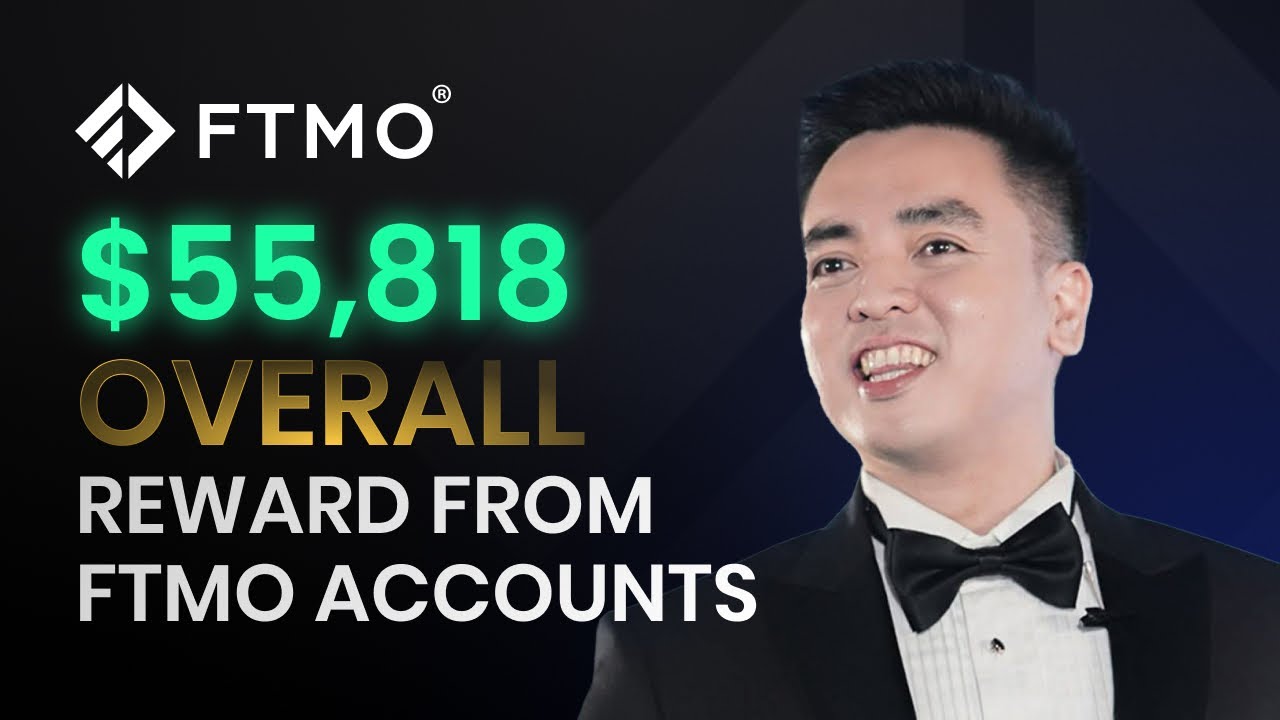
The original YouTube interview frames Rudolf’s story around a move from poker into trading and highlights more than $55,000 in rewards, with gold playing a central role in the discussion.
Watch the interviewFrom poker to trading: why that transition matters
The poker angle is one of the most interesting parts of Rudolf’s story because it points to a mindset many traders overlook. In poker, you never have complete certainty. You work with probabilities, manage risk, and try to make the best decision with imperfect information. Trading works in a similar way. You do not control the next candle, but you can control your entries, exits, position sizing, and emotional response.
That is why the transition from poker to prop trading makes sense. A trader with that background may already be more comfortable with uncertainty, variance, and disciplined decision-making. Those traits are useful in any market, but they matter even more in gold trading, where volatility can quickly punish hesitation, overconfidence, or revenge trading.
For readers exploring trader mindset, discipline in trading, or psychology in prop firm trading, Rudolf’s story is a reminder that edge does not come only from charts and indicators. It also comes from how a trader thinks, reacts, and manages pressure.
Probability thinking
Both poker and trading reward decisions that make sense over a large sample size, not just one short-term outcome.
Emotional control
Traders who stay calm after wins and losses usually protect their capital better than traders who react impulsively.
Capital preservation
Survival matters in any performance-driven field. If you cannot protect your balance, long-term growth becomes impossible.
Prop firms reward traders who can stay within rules, manage drawdown, and avoid emotional mistakes. A strong trading mindset is not a bonus in that environment. It is part of the edge.
Why gold trading is central to Rudolf’s FTMO journey
Gold remains one of the most watched instruments in retail and prop trading. It attracts traders because it moves well, responds to macroeconomic themes, and often offers strong intraday opportunities. For many funded traders, XAUUSD is appealing because it can produce meaningful price movement within a single session. That potential is exciting, but it also increases the need for clean execution and disciplined trade management.
Rudolf’s story is useful because it appears to show the opposite of random gold speculation. Instead of treating gold like a casino market, the lesson here is that volatility can be traded well when it is approached with structure. That includes knowing when to be active, when to stay out, how much to risk, and how to avoid overtrading after a strong move.
This is one reason gold trading content performs well for prop firm audiences. People want to know how successful traders handle a market that is fast, emotional, and capable of sharp reversals. The better question is not whether gold is “good” or “bad,” but whether the trader has a process strong enough to handle its behaviour.
FTMO’s broader educational and trader-story content also tends to emphasise structure over excitement. You can see that in its material around strict risk management, gold trading, and the firm’s public testimonials page.
Gold can create excellent opportunities, but it can also expose poor discipline very quickly. Without clear stop-loss logic, stable position sizing, and patience, the same volatility that attracts traders can work against them.
The biggest trading lessons from Rudolf’s interview
The real strength of this kind of FTMO trader interview is not the payout number alone. It is the collection of practical ideas that sit behind the result. For traders trying to improve consistency, pass evaluation models, or trade with better discipline, Rudolf’s journey offers several lessons that go beyond one person’s story.
| Lesson | Why it matters | How traders can apply it |
|---|---|---|
| Specialise in one market | Focusing on one instrument improves market familiarity and pattern recognition. | Spend a defined period studying and trading one market instead of constantly switching between assets. |
| Think in probabilities, not certainty | No setup works every time, especially in volatile conditions. | Measure results over a large sample size and avoid judging your strategy by a single trade. |
| Protect capital first | Long-term consistency depends on surviving bad days and bad weeks. | Use stable risk per trade and avoid increasing lot size emotionally after losses. |
| Respect trading psychology | Fear, greed, and frustration often damage good technical setups. | Build routines that reduce emotional decisions, especially after fast wins or losses. |
| Consistency beats excitement | Prop firms reward steady execution more than dramatic short-term gains. | Track behaviour, discipline, and rule-following, not just payout numbers or daily profit. |
1. Mastering one market can be a serious advantage
One of the clearest semantic themes in Rudolf’s story is focus. Many traders split attention across multiple forex pairs, stock indices, crypto charts, and commodities, only to end up with shallow understanding everywhere. A trader who studies one market in depth can develop a feel for its rhythm, reaction patterns, and session behaviour. In Rudolf’s case, gold trading seems to represent that focused approach.
This is especially relevant for traders who want to build a structured FTMO trading strategy. Specialisation makes journaling easier, reduces decision fatigue, and creates a clearer feedback loop. Over time, that can help improve execution quality.
2. A good mindset supports a good strategy
Trading systems matter, but mindset often determines whether a good system survives contact with the market. The poker connection in Rudolf’s background suggests comfort with uncertainty and variance, which are essential in real trading. Many traders know where to enter, but far fewer know how to remain calm when price behaves unpredictably.
This is where trader psychology, risk tolerance, and performance discipline become relevant.
3. Reward numbers are outcomes, not instructions
The figure of $55,818 is eye-catching, and naturally it helps the article get attention. But readers should be careful not to treat the headline number as the strategy itself. The outcome matters less than the process behind it. In prop trading, the biggest mistake is often trying to force a similar result too quickly rather than building the habits that make those results possible.
That is why the best FTMO trader interviews are useful as educational content. They help traders understand behaviour, not just performance. A payout story becomes much more valuable when it is translated into lessons around execution, drawdown control, market discipline, and repeatable trading habits.
If you want to learn from trader stories like Rudolf’s, focus less on the exact payout figure and more on the structure behind it: market selection, emotional control, patience, and consistent execution.
Use Rudolf’s story as a reminder that good funded trading starts with process. Choose the FTMO path that fits your region below.
What FTMO traders and challenge traders can learn
Rudolf’s story is useful not because it gives readers a trade signal, but because it gives them a framework. Traders who are serious about passing challenges or improving long-term consistency usually benefit from three things: a narrower watchlist, cleaner risk management, and a calmer mental process. Those themes all connect naturally to this interview.
This is important for challenge traders because prop firm models place pressure on behaviour. Daily loss limits, maximum drawdown rules, and consistency expectations punish impulsive trading. A trader who already understands patience, controlled risk, and market selection has a stronger foundation than a trader who relies on emotion or last-minute intuition.
Another lesson here is that not every trader needs a complicated style. Some of the strongest trading journeys come from simplifying rather than adding more. That might mean trading fewer sessions, fewer setups, or even one main instrument. In many cases, less complexity produces better decision quality.
Where newer traders should be careful
Newer traders may read a success story like this and assume the key is simply to trade gold. That would be the wrong conclusion. The better takeaway is that Rudolf appears to have built a way of trading gold that matched his skills and temperament. That is very different from randomly choosing a volatile instrument and hoping it produces fast gains.
Beginners are usually better served by learning how experienced traders think about process, patience, and risk rather than trying to copy surface-level details. The real edge is rarely in the headline alone.
Final thoughts
Rudolf’s FTMO interview works because it goes beyond the usual reward headline. It connects a strong personal background, poker, with practical trading themes like discipline, probability thinking, and market specialisation. For readers interested in FTMO trader Rudolf, gold trading, prop trading success stories, and funded trader lessons, that makes the article genuinely useful.
The biggest takeaway is simple. Sustainable trading performance usually comes from process, not noise. Whether you trade gold, forex, or indices, the traders who last are often the ones who keep risk under control, specialise where they are strongest, and stay emotionally steady over time.
Frequently asked questions
Who is FTMO Trader Rudolf?
Rudolf is the trader featured in an FTMO interview that highlights his move from poker to trading and more than $55,000 in rewards, with gold trading playing a central role in the story.
How much did Rudolf earn with FTMO?
The public FTMO interview title highlights $55,818 in rewards. That number is what makes the story attention-grabbing, but the more useful lesson is the process behind it.
Why is Rudolf’s poker background relevant to trading?
Poker develops comfort with uncertainty, probability-based thinking, emotional control, and disciplined decision-making. Those same qualities can support stronger trading performance when combined with solid risk management.
Why do many FTMO traders focus on gold?
Gold is popular because it moves well, reacts strongly to market sentiment, and often creates clear intraday opportunities. At the same time, its volatility means traders need strong execution and disciplined stop-loss management.
Can beginners learn from Rudolf’s FTMO story?
Yes, but the lesson is not simply “trade gold.” The better takeaway is to focus on mindset, consistency, and risk control. Those habits are much more transferable than trying to copy another trader’s exact setup.
What is the biggest lesson from this FTMO trader interview?
The biggest lesson is that consistent funded trading usually comes from process. Market familiarity, patience, and disciplined risk management often matter more than constant experimentation or hype-driven trading.
Ready to explore FTMO for yourself?
Rudolf’s journey is a strong reminder that funded trading is less about chasing excitement and more about building a repeatable edge. If you want to take your own step toward FTMO, choose your region below.